
Sustainability & Innovation
Transport moves the economy. It also has a carbon footprint. Snel Logistic Solutions has been making targeted investments in sustainable technologies for years, to help our partners reduce their ecological footprint and to build the kind of logistics business we can be proud of.


Our Sustainable Fleet
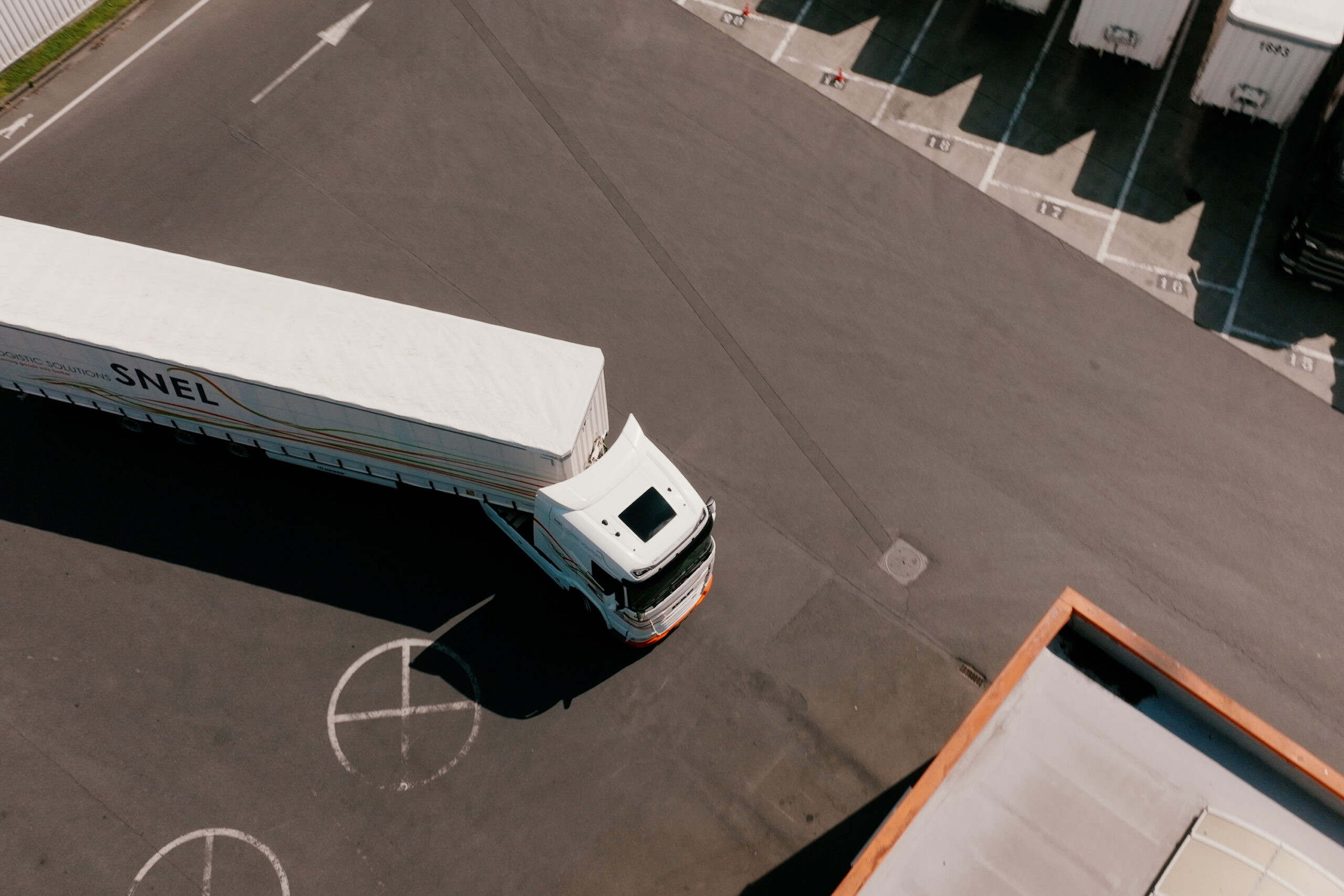
Ecocombi / LZV
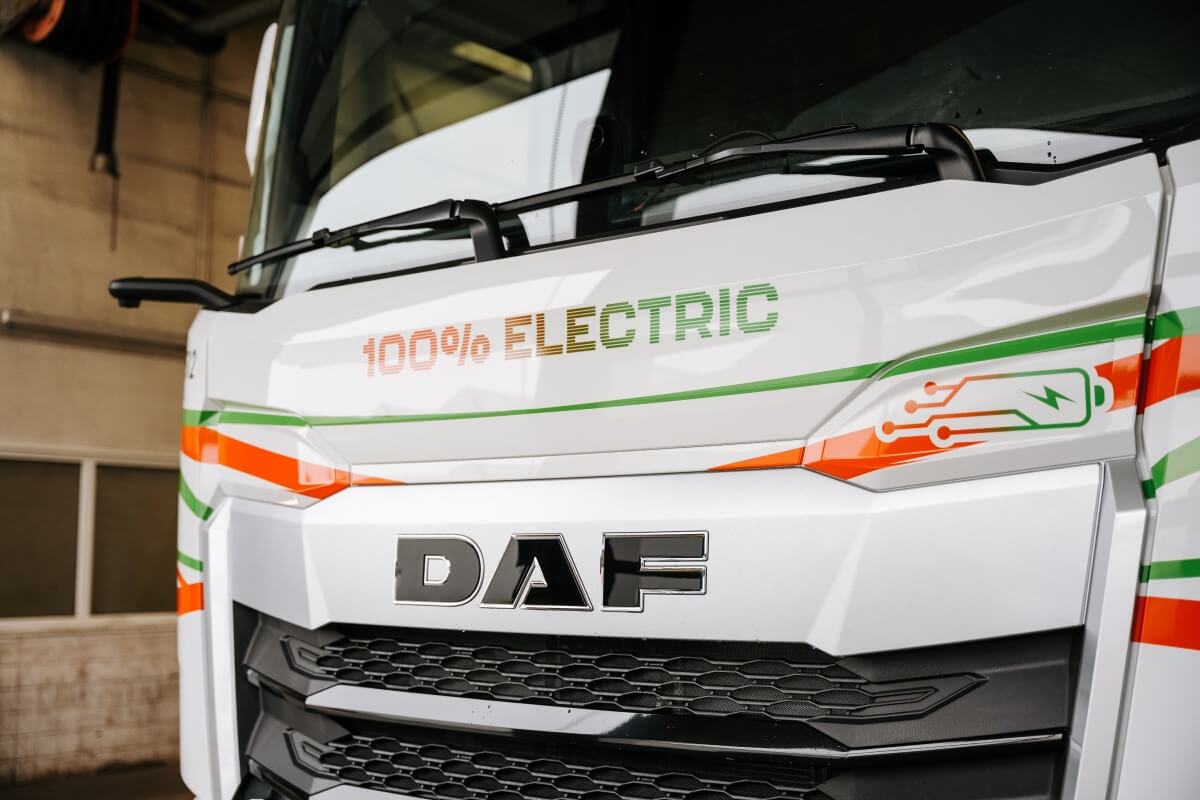
5 Electric Trucks
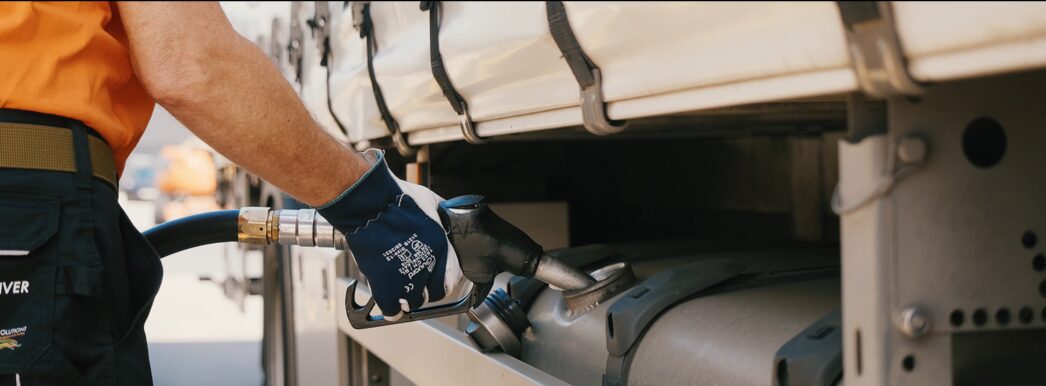
HVO100 Fuel Station
- Lean & Green star certified — active participation in CO₂ reduction programmes
- Continuous route optimisation to reduce empty kilometres across our network
- Eco-driving training for all drivers — reduces fuel use by 5–15%
Our Forest
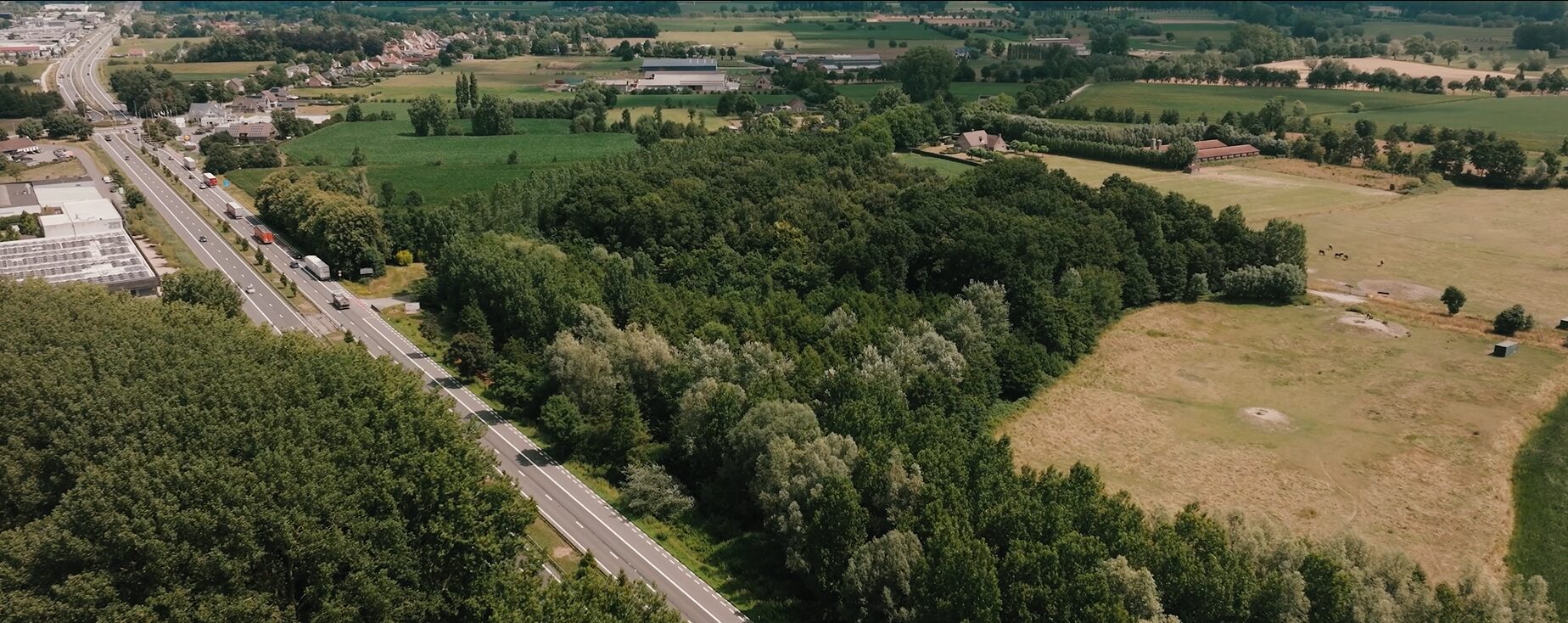
In line with its sustainable strategy, Snel Logistic Solutions acquired a 4.5-hectare forest in Nazareth (BE) in 2021. This was announced by our CEO, Gert Snel as a tangible contribution to ecological value in the region — a signal that logistics growth can go hand in hand with respect for nature and the environment.
The forest is unmanaged and will remain so — left to develop naturally, free from commercial exploitation. A mixed temperate forest of this size absorbs an estimated 17 to 22 tonnes of CO₂ per year under natural conditions. It will be preserved, undisturbed, for generations.
This initiative is not tied to any certificate or emission scheme. It is a direct, permanent contribution to local biodiversity and ecological value — because we believe a company that relies on infrastructure, fuel, and natural resources has a responsibility to give something back.
LOWER YOUR LOGISTICS CARBON FOOTPRINT
Discover how smarter transport and sustainable innovation can support your supply chain goals.